
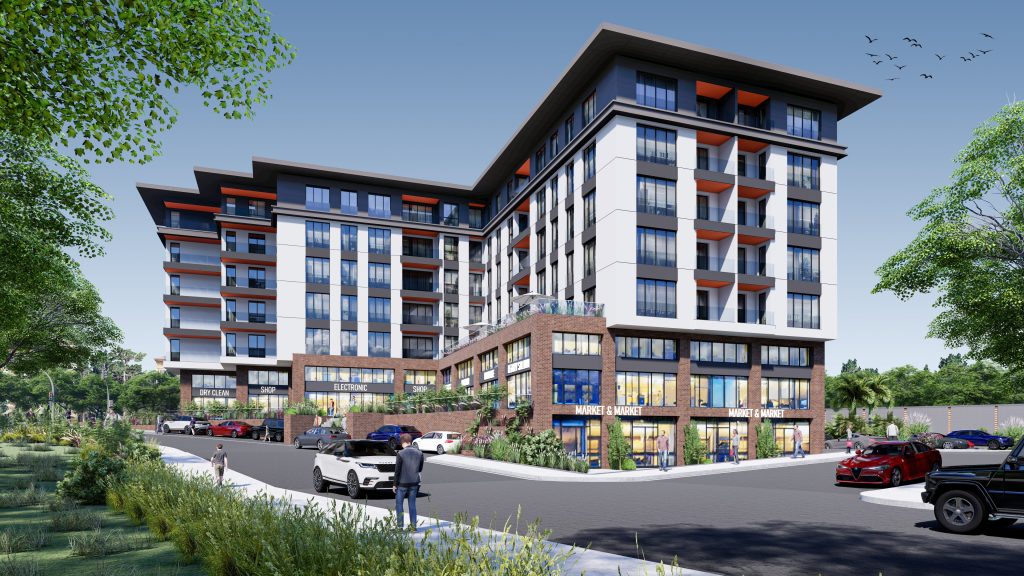
Introduction:
Construction projects are complex processes that require detailed planning, strong coordination, and the right selection of materials. Construction projects, which can be carried out in different forms such as residential, commercial, or infrastructure projects, are significant not only in terms of technical details but also economic and environmental factors. In this article, we will discuss key points you need to know for successful construction project management, modern construction trends, and the main elements that require attention.
Subheadings:
Types of Construction Projects
Residential Projects:
Residential construction includes individual or mass housing projects. Apartments, villas, and residential complexes fall into this category.
Commercial Buildings:
Commercial structures such as offices, shopping malls, and hotels serve the business world and are planned with an investment focus.
Infrastructure Projects:
Projects such as roads, bridges, dams, and power plants are important for strengthening urban infrastructure.
Industrial Buildings:
Structures such as factories, warehouses, and production facilities are developed to support manufacturing processes.
Planning and Management for a Successful Construction Project
Project Design and Planning:
A good construction project begins with detailed design and comprehensive planning. Process management aligned with the project’s defined goals ensures on-time delivery.
Budget Management:
Proper cost management in construction projects is critical to success. Resource planning should be carried out to prevent cost overruns and to stay within budget.
Team Coordination:
Collaboration and coordination among all stakeholders—such as architects, engineers, workers, and suppliers—contribute to the timely completion of the project.
Quality and Safety in Construction Projects
Material Quality:
High-quality materials should be used to ensure strong and durable structures.
Occupational Safety:
Construction projects must be subject to strict occupational safety supervision. Safety measures are essential for employee health and the uninterrupted progress of the project.
Environmentally Conscious Building Design:
Construction projects built with energy-efficient and environmentally friendly materials both protect natural resources and reduce environmental impact.
Construction Project Trends in 2024
Sustainable Projects:
Recyclable materials, green roofs, and energy-saving technologies have become increasingly popular.
Smart Building Technologies:
Technologies such as smart lighting, security systems, and energy management are being used more frequently in projects.
Prefabricated Structures:
Prefabricated building systems, which offer fast installation and cost advantages, are preferred in small- and medium-scale projects.
Modular Designs:
Modular structures provide flexible and reconfigurable spaces, allowing areas to be adapted to users’ changing needs.
Key Considerations in Construction Projects
Legal Permits and Licenses:
Completing all legal permits in construction projects ensures that legal processes proceed smoothly.
Soil and Land Analysis:
The suitability of foundation and structural systems should be analyzed according to the land on which construction will take place.
Environmental Impact Assessment:
Minimizing environmental impact ensures the long-term sustainability of the project.
Conclusion:
Construction projects are processes that require proper planning, the use of quality materials, and environmental awareness. The key to success in these projects lies in managing them with an expert team and the right strategies. As of 2024, the use of sustainable, environmentally friendly, and smart building technologies is of critical importance for projects to adapt to the future.