
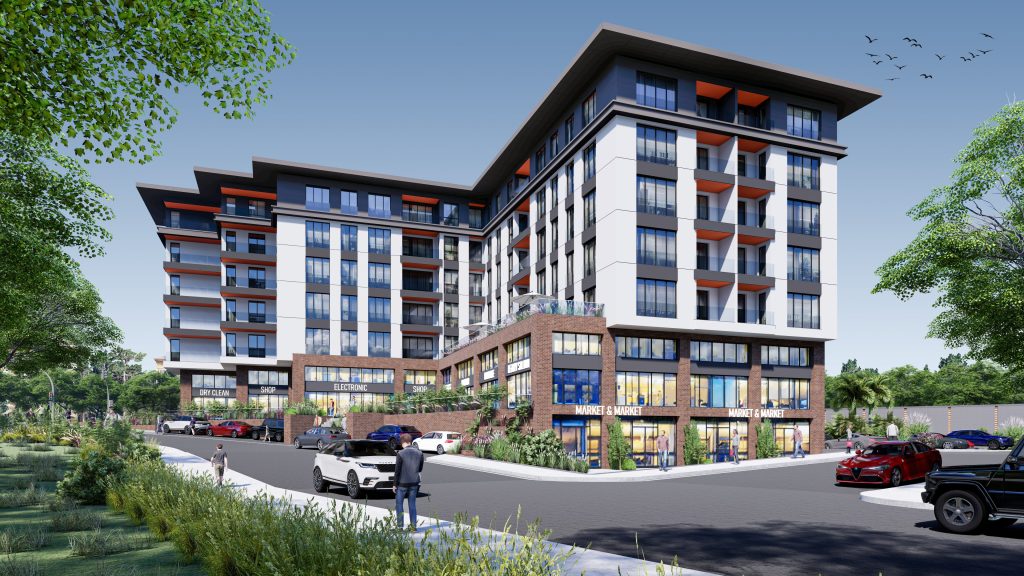
Introduction:
Custom-built residences are designed entirely according to individual preferences and needs, unlike standard projects. Unique details combined with modern architecture and functional spaces enhance the appeal of custom-built homes. These types of residential projects offer clients the opportunity to build the home of their dreams. In this article, you will find key considerations in the custom home-building process, modern design trends, and tips for achieving ideal results.
Subheadings:
Advantages of Custom-Built Homes
Design Tailored to Personal Needs:
In custom-built housing projects, homeowners can shape every area of the house according to their specific requirements.
High Quality and Durability:
Since materials used in custom-built homes are selected based on the homeowner’s preferences, they can be more durable and of higher quality.
Long-Term Value Appreciation:
With their unique architecture and functional layout, custom-built homes stand out as long-term investments that retain and increase their value over time.
Planning and Design Process in Custom-Built Housing Projects
Identifying Needs:
The design process begins by determining details such as the spaces to be used in the house, the number of rooms, and decorative elements.
Architectural Consultancy:
By working with expert architects, it is possible to create a plan that combines aesthetic appeal with functional details.
Budget Planning:
In custom-built projects, defining the budget and managing costs are crucial. The budget should be clearly determined based on the materials to be used.
Modern Trends in Custom-Built Homes
Minimalist Designs:
Minimalist designs that emphasize simplicity and functionality have become increasingly popular in residential projects.
Nature-Integrated Structures:
Buildings integrated with green spaces and designed to maximize natural light and views are highly preferred.
Smart Home Systems:
Smart home technologies that allow remote control of security, lighting, and climate systems stand out in modern housing projects.
Energy Efficiency:
Systems that support energy savings, such as thermal insulation and solar panels, are becoming key elements of environmentally conscious buildings.
Material Selection and Quality Standards
Natural Materials:
Wood, stone, and other natural materials provide a warm and natural atmosphere within the home.
High-Quality Construction Materials:
The use of high-quality materials in custom-built homes increases durability and reduces maintenance costs.
Eco-Friendly Materials:
By using recyclable and environmentally friendly materials, it is possible to create a sustainable living space.
Interior Design in Custom-Built Homes
Functional Spaces:
Modern custom-built homes often feature open kitchens, spacious living areas, and efficient storage solutions.
Personalized Details:
Personal decorative elements that reflect the homeowner’s lifestyle define the character of the home.
Proper Lighting Selection:
A bright and airy atmosphere can be created through the effective use of natural light and appropriate artificial lighting solutions.
Conclusion:
Custom-built homes are projects meticulously designed according to individual preferences, where every detail is carefully considered. Supported by modern construction techniques, energy-efficient solutions, and natural materials, custom homes are unique both aesthetically and functionally. To achieve your dream home, working with experienced architects, using high-quality materials, and preparing a plan tailored to your needs are key factors for a successful process.